Professional Burnout Among Church And Mission Workers: A Qualitative Study

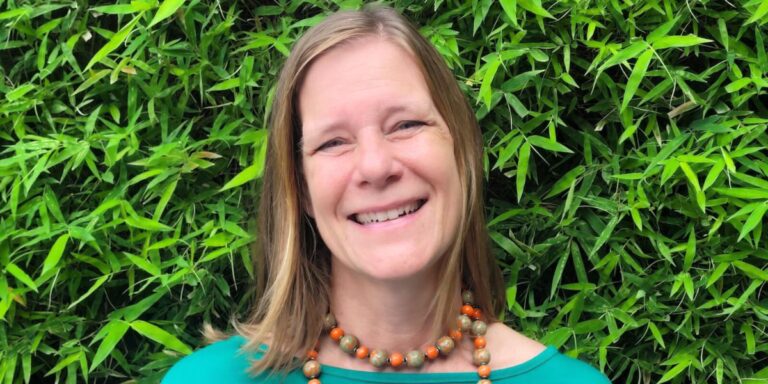
Psychologist // ANASTASIA THOMAS
Psychologist ANASTASIA THOMAS from our team recently completed her thesis on professional burnout among people who work in church and mission organisations. Here, she unpacks her research and findings.
What drew you to this topic?
A few things. I have worked in and alongside mission organisations and churches for a number of years, so I had already witnessed burnout in these settings firsthand. But when I went looking for research, I found a real gap.
Religious work involves intense personal interaction and deep emotional engagement with people who are often suffering or in crisis. In that sense, pastors, missionaries and chaplains sit in the same high-risk category as social workers, healthcare professionals and therapists. Yet they receive far less systemic attention and support — and far less research.
What struck me most is that in many religious settings, caring for your own wellbeing can be seen as selfishness. There is an expectation of self-denial, of putting service above everything else. So asking for help can feel like a failure of faith. By the time the symptoms of burnout become visible, the person has often been struggling silently for a very long time.
Why is it so hard for religious workers to admit they are struggling?
It is rarely just an individual problem. It is a combination of the individual, the organisation and the wider culture. Most of the existing research comes from the United States and is tied to particular denominations. In those Western contexts, it is a little less taboo for a religious worker to ask for support. But in other parts of the world, like regions of Africa, there is often much more stigma. A spiritual leader is expected to be stronger, more moral, more spiritual. So the pressure comes from both sides: the expectation to deny yourself, and the assumption within the community that if a leader is unwell, they must be unwell spiritually too.
In many religious settings, caring for your own wellbeing can be seen as selfishness. So asking for help can feel like a failure of faith.
How did you carry out your research?
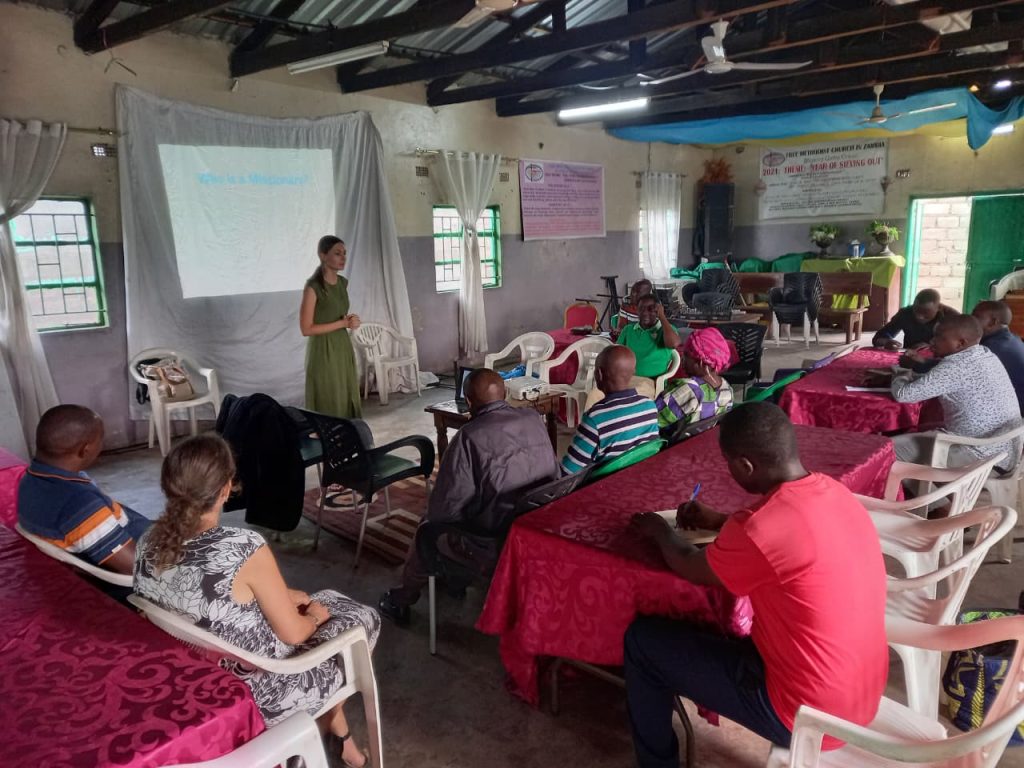
I used a mixed-methods approach, combining measurement with lived experience. I had forty six participants — a deliberately diverse group. Their ministry experience ranged from one year to forty years; the gender split was almost even; they were from different denominations, including pastors, cross-cultural missionaries and other roles. And they came from right around the world: the Americas, Europe, Asia and Africa. I wanted to look for patterns across the profession rather than focus on one country or one organisation.
Alongside adapted, validated burnout tools — which measure emotional exhaustion, depersonalisation and a reduced sense of personal accomplishment — I designed my own survey on symptoms and on the risk and protective factors specific to religious work. I also included open questions, almost like an interview, so people could share their experiences in their own words.
What did you find?
My starting assumption was confirmed: religious workers do face a significant risk of burnout, with some risk factors that are particular to their work. Blurred boundaries between the professional and the personal, heightened moral expectations, intense emotional involvement, and compassion fatigue all came through.
There was also something I call spiritual burnout — when the work begins to affect a person’s own faith, sense of meaning and identity. That dimension really sets this profession apart, because what these workers do is so closely tied to who they are.
The lived experiences were striking. People described working around the clock across many roles, financial stress because these are not well-paid careers, a lack of leadership support, and a feeling of isolation. Symptoms ranged from persistent fatigue to physical complaints they had not had before — bodily pain, digestive issues — as well as withdrawal, irritability, and even difficulty praying.
One of the most important findings was that burnout levels were very similar across every role. To me, that says this is a systemic issue, not something specific to one position. Most participants were not aware of the risks until symptoms appeared, and most said their organisation had no prevention programme in place. So this is structural and cultural, not simply individual.
Burnout levels were very similar across every role. That tells me this is a systemic issue, not something specific to one position.
Were there things that protected people?
Yes, and they were encouraging. The most powerful protective factors were community and family care, personal spiritual practices, some form of professional support such as mentoring or peer support, everyday self-care, and a genuine sense that the work is meaningful. None of the helpful coping strategies people described were extraordinary — physical exercise, time in nature, rest, hobbies, friends outside of work, a mentor or counsellor. They were simple things that simply need to be there.
What can church and mission workers themselves do?
Start by understanding what burnout is and what the early symptoms look like. Build self-care into your routine, develop the skills to set boundaries, and cultivate a social support network outside your ministry role. And be willing to seek professional help without guilt — that is a big one.
Society is healthier when the church is healthy. A leader on the brink of burnout affects the whole community.
What do organisations need to be doing better?
The biggest shift is a cultural one: organisations must stop treating self-care as incompatible with faithful service. The expectation that a minister should always be available, should sacrifice every personal need without complaint, and should treat asking for help as failure — that expectation is itself a driver of burnout.
Leadership is central. Supportive, attentive leaders who model healthy practices and create space for people to be honest without judgement are a powerful protection. Beyond that, organisations can put practical things in place: peer support or supervision, regular paid leave, access to professional psychological care, stress and resilience training, and enough staff so that no one is chronically overwhelmed.
I would add one more thing, at the training stage. If seminaries and Bible schools built modules on stress, burnout prevention, self-care and resilience into their curriculum, future workers would carry that knowledge into ministry — rather than discovering it only when they are already in crisis.
Why does this matter beyond the individual?
Because a healthy leader benefits everyone. Religious communities often do far more than offer spiritual guidance — they advocate for justice, support social rights and drive community development. So society is healthier when the church is healthy. If the leader of a community is burning out, it affects the whole community.
If you’re in church or mission work and want to safeguard the wellbeing of you and your team, then you might like to explore our Resilience Check Ins, Resilience Questionnaire and Consultation, and Counselling services.