Embracing A New Chapter: Reflections From A Retired Psychologist

Retired Clinical Psychologist // GRAHAM FAWCETT
GRAHAM FAWCETT previously led our Psychosocial team and is one of our co-founders. Here, he reflects on his retirement journey and shares the crucial, often overlooked, challenge of letting go of a professional identity and finding a new way to be.
How did you feel as retirement approached?
There was certainly a sense of relief, and that was how I knew it was the right decision. However, there was also a sense of loss—a small ‘g’ grieving, since I was giving up something which had become my identity for the past fifty years!
What has been the hardest part about stepping away from work?
Letting go of my hard-won professional identity was hard. Everybody tells you how to stop work and how to take up gardening, but nobody talks about what to do with your identity. For example, coming off my professional register was a pleasure – no regulator in the background anymore. But resigning from my professional academic society or even coming off LinkedIn? Those still continue to linger although they affect me less and less each day.
What has surprised you about entering this new period of life?
The biggest surprise was the sudden silence in my brain. I didn’t know until about 36 hours after seeing my final patient and writing my final note that my brain could be still. As clinicians we don’t drop our pen at 5pm and walk away. The voice in your head is constant: “Did I do enough? Will this end up with the coroner? How do I fix this distressed patient?” It’s just the whole time.
I had always attended peer supervision sessions, in which we can process these thoughts. But I realised I never had enough, because that voice was always running. When it finally stopped, the feeling was one of peace, contentment, relief, and astonishment.
Do you think people sometimes struggle with feelings of regret or unfinished business when they retire? What could people do with those feelings?
I think they do, and the people most vulnerable to it are those who see themselves as indispensable or the only ones who can do the job. But instead of focusing on what you haven’t finished, it’s important to constantly ask yourself how you can pass on your knowledge to the next person, so that the work not only survives (which should be the least of what you want) but grows. It’s about planting seeds for the future, and it requires a shift from thinking about ‘me’ to thinking about ‘us’.
Instead of focusing on what you haven’t finished, it’s important to constantly ask yourself how you can pass on your knowledge to the next person.
What would you say to someone preparing for retirement?
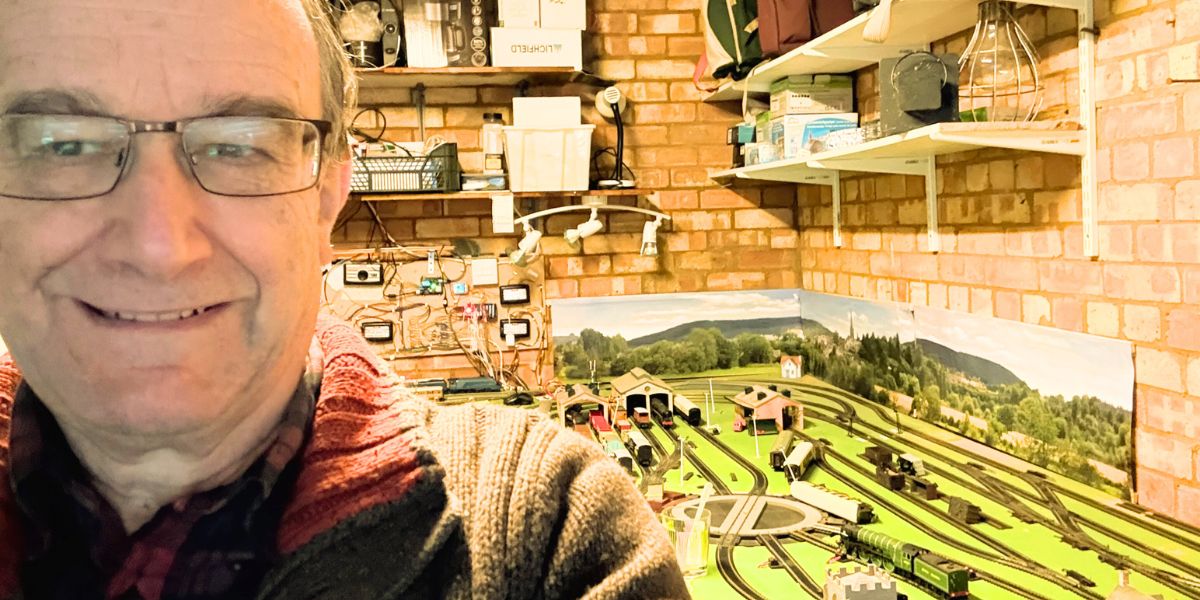
An unhelpful question to ask when retiring is ‘what to do’. A more profound question is ‘how to be’. A trite example is my model railway. It is an outrageously complicated system with many intriguing issues to solve. The joy is recognising the lack of deadlines, bureaucracy and accountability. Experiencing that solved problems stays solved, that I can enjoy tinkering for the sake of tinkering. Each day I accomplish very little, learn a lot and feel increasingly content.
Retirement planning, I suspect, is less about planning and more about allowing for a complete reorientation and reset over a period of time. In this time, it’s important to give deep consideration to how to let go of your professional identity, especially if you are a health professional or someone whose career is a core part of their being. For me, the first practical step was giving up my professional registration with my regulatory body—a status that took blood, sweat, and tears to achieve.
Lastly, avoid the mistake of just drawing out the professional life by doing local counselling or small consultancy jobs. You need a break. Be deliberate about doing nothing, or something completely unrelated for a while.
An unhelpful question to ask when retiring is ‘what to do’. A more profound question is ‘how to be’.
Are there things organisations should be doing to prepare or support people as they near retirement, and as they leave?
I think organisations need to prioritise and ensure a perfect handover is made so that the system survives the person’s departure. This could mean asking for detailed documentation or running temporary ‘out of office’ experiments to see how the team gets on. And as part of duty of care, organisations need to allow people to slow down and let go. They aren’t the only ones who can do the work. My definition of a good handover is when you finally walk out the door, people send you a nice card, they give you a cake, they sing a song, they make a speech, and one week later they forget you’ve been there.
Do you have a major life transition coming up? Why not navigate those next steps with an experienced Thrive Coach?